
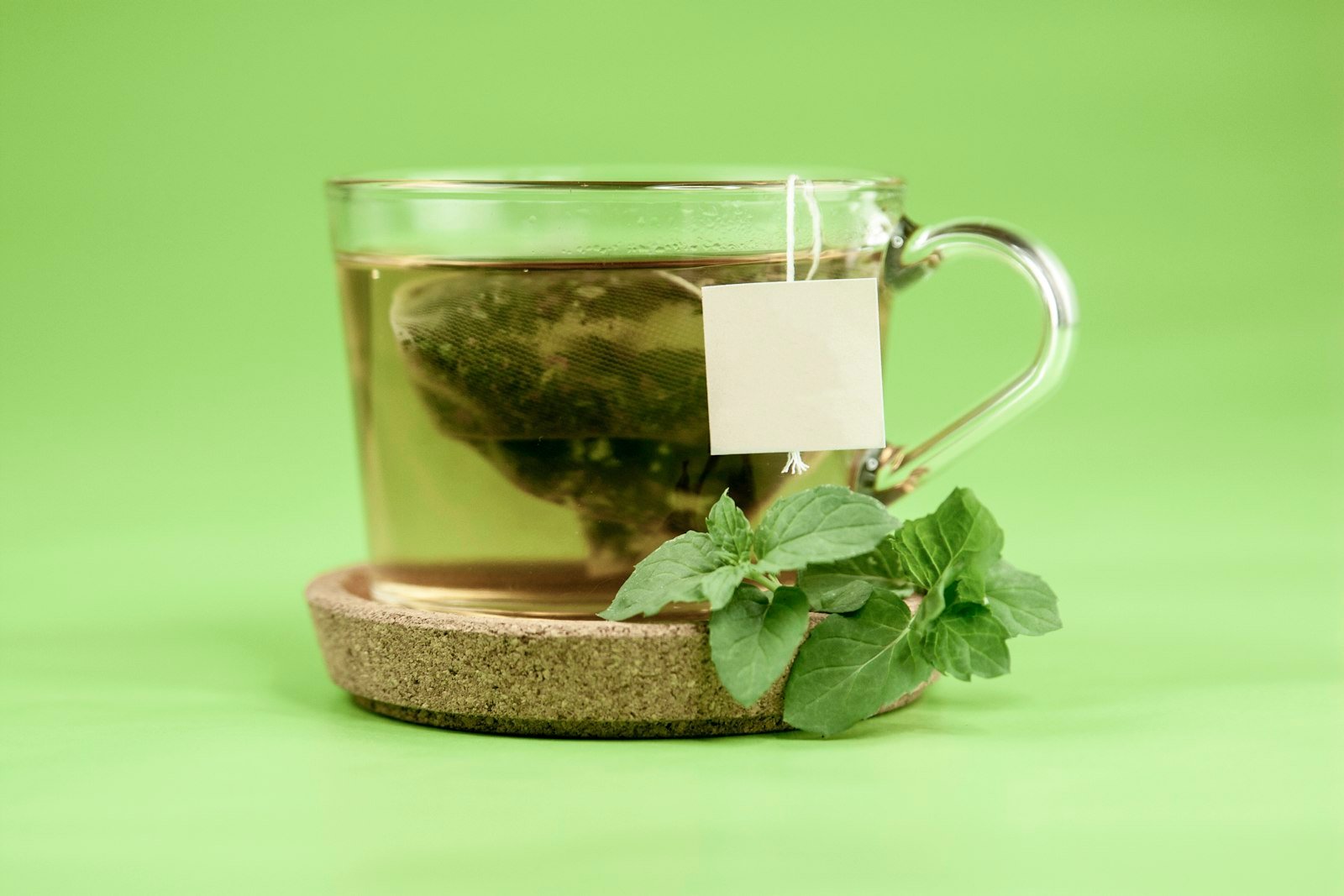
Peppermint tea is the best-known tea for bloating, and it suits gassy, crampy bloating best, because peppermint relaxes the muscles of the gut. Ginger tea is a better fit when you feel heavy and full after meals, and chamomile when bloating comes with stress or cramping. The strongest research is on peppermint oil capsules, not tea, so think of tea as gentle support. If you have reflux, skip peppermint.
A warm mug after dinner is one of the easiest things to try for bloating, and plenty of people swear by it. Not every tea suits every kind of bloating, though, and peppermint, the one everyone recommends, can make heartburn worse.
Which tea to try first
- Gas and cramping: peppermint tea, or a fennel or caraway blend if peppermint gives you heartburn.
- Heavy and full after meals: ginger tea, before or with your meal.
- Stress, evenings or period cramps: chamomile tea.
- Tea eases symptoms. If you’re bloated most days, it’s worth finding out why.
Does peppermint tea help bloating?
It can, especially for bloating that comes with gas and cramping. Peppermint’s main active compound is menthol, which relaxes the smooth muscle of the gut, from the stomach to the large bowel (Scarpellini et al., 2023). When those muscles spasm less, trapped gas can move along and the tight, crampy feeling often eases.
Most of the evidence comes from peppermint oil capsules in people with irritable bowel syndrome (IBS). A 2019 meta-analysis of 12 randomized trials with 835 patients found that peppermint oil improved overall IBS symptoms and abdominal pain more than a placebo did (Alammar et al., 2019). A 2022 update of 10 trials with 1,030 patients came to the same conclusion, but rated the quality of the evidence as very low and found that side effects were more common with peppermint oil than with placebo (Ingrosso et al., 2022).
Peppermint tea is a much milder dose of the same plant. A review of peppermint tea found that human studies of the leaf were limited and that there were no clinical trials of the tea itself (McKay & Blumberg, 2006). It’s still worth trying for gassy bloating, since it’s low risk. It just hasn’t been tested the way the capsules have, and it won’t fix whatever keeps making you bloated.
Best teas for bloating
Use this table to match a tea to the kind of bloating you get. The amounts are typical home brews, not doses from studies, because tea itself has barely been studied.
| Tea | Best for | How to make and drink it | Avoid or check first if |
|---|---|---|---|
| Peppermint | Gas, cramping, IBS-type bloating | 1 tea bag or 1 to 2 tsp dried leaves in a cup of just-boiled water, covered, for 5 to 10 minutes. One cup after a meal or when cramping starts. | You have reflux, heartburn or a hiatal hernia |
| Ginger | Feeling heavy, full or slow after meals | 4 or 5 thin slices of fresh ginger steeped for about 10 minutes. Sip before or with a meal. | You take blood-thinning medication, or ginger gives you heartburn. Ask your pharmacist first. |
| Chamomile | Stress-related bloating, evenings, period cramps | 1 tea bag or 1 to 2 tsp dried flowers, covered, for 5 minutes. Good in the evening because it’s caffeine-free. | You’re allergic to ragweed, daisies or other plants in the same family |
| Fennel or caraway | Gas, especially if peppermint gives you heartburn | 1 tsp lightly crushed seeds steeped for about 10 minutes, or a ready-made blend. After meals. | You’re allergic to carrot-family plants such as celery or carrot |
| Peppermint and caraway blends | Fullness and discomfort in the upper belly | Ready-made blends, after meals. | The same cautions as peppermint |
A note on caraway: a proprietary peppermint oil and caraway oil capsule eased pain in the upper belly in people with functional dyspepsia in a 2023 meta-analysis, although the review was funded by the manufacturer (Madisch et al., 2023). Teas that combine the two are a gentler version of the same idea.
Which tea for which kind of bloating?
Gassy, crampy bloating
This is where peppermint fits best, because it relaxes the gut muscles that cramp around trapped gas (Scarpellini et al., 2023). If peppermint gives you heartburn, fennel or caraway tea is the usual swap.
Heavy, full and slow after meals
If food seems to sit in your stomach, ginger is the better choice. In a small trial in 24 healthy adults, ginger capsules roughly halved the time it took the stomach to empty half of a meal (Wu et al., 2008). In 11 people with functional dyspepsia, ginger also sped up stomach emptying, but it didn’t change how they felt (Hu et al., 2011). It may help food move along, but it isn’t a guaranteed symptom fix.
Bloating around your period
Warm, caffeine-free teas such as chamomile or ginger are comforting when bloating and cramps arrive with your period. Chamomile has a long history of use for muscle spasms, menstrual complaints and digestive upset, although most of that is traditional use rather than trial evidence (Srivastava et al., 2010). If your period bloating is severe or comes with painful periods, read the section on why bloating gets worse around your period and talk to your doctor.
Stress bloating
If you notice bloating on busy, anxious days, use a cup of tea as a reason to stop for a few minutes. Sitting down with a warm, caffeine-free drink and a few slow breaths gives your gut a break from fight-or-flight. Chamomile is a good fit here.
When to drink peppermint tea for bloating
- After a meal is the most common time, especially a large or rich one, or a meal that usually leaves you gassy.
- When cramping or gas starts. Sip it slowly while it’s warm, ideally while sitting upright or going for a gentle walk.
- Not right before lying down if you get heartburn. Peppermint relaxes the valve at the bottom of the food pipe (see below), so have it earlier in the evening.
- One to three cups a day is what most people drink. There is no studied dose for tea, so start with one cup and see how you feel.
Can peppermint tea cause bloating or heartburn?
Heartburn, yes, for some people. Peppermint relaxes smooth muscle throughout the gut, including the lower esophageal sphincter, the ring of muscle that keeps stomach acid out of your food pipe (Scarpellini et al., 2023). Caution has been urged for peppermint oil in people with reflux or a hiatal hernia (McKay & Blumberg, 2006), and trials of peppermint oil recorded more side effects than placebo (Ingrosso et al., 2022). If you have reflux or GERD, choose ginger, chamomile or fennel instead.
Peppermint tea itself is unlikely to cause bloating. If a tea seems to make you more bloated, check the label. Some blends add chicory root, inulin, sweeteners or dried fruit, which can cause gas in sensitive people. Plain, single-ingredient teas are easier to judge.
Is it okay to drink peppermint tea before bed?
For most people, yes. Peppermint tea is naturally caffeine-free. The exception is reflux: lying down soon after peppermint can make heartburn worse, so have it at least a couple of hours before bed or switch to chamomile in the evening.
What is the best tea for gut health?
There isn’t one. Teas can ease symptoms, and herbal teas count towards your fluids, which helps if constipation is part of your bloating. But no tea repairs digestion on its own. Long-term gut health comes from regular meals, fibre, fluids, sleep, stress care and finding out what is driving your symptoms. My Gut Health 101 guide covers the foundations.
When tea isn’t enough
If you need a cup of peppermint tea after every meal to feel normal, the tea is doing its job but the cause is still there. Common drivers of ongoing bloating include constipation, food reactions, IBS, bacterial overgrowth and low stomach acid, and I go through them in the root causes of bloating guide. If you’re bloated most days, why am I always bloated? explains what your pattern may be telling you.
When to see a doctor
See your doctor promptly if your bloating comes with any of these:
- It happens most days for more than a few weeks, especially if it’s new for you
- Pelvic or abdominal pain, feeling full quickly or eating much less, or needing to urinate more often or urgently
- Blood in your stool, or black, tarry stools
- Unexplained weight loss
- Persistent vomiting, fever or trouble swallowing
- Heartburn most days, or heartburn that doesn’t settle
- A belly that is hard, swollen and painful, or pain that is severe or getting worse
Frequently asked questions
How fast does peppermint tea work for bloating?
There are no trials of the tea, so there’s no reliable answer. Because peppermint works by relaxing the gut muscles, people who find it helpful usually notice a difference soon after a cup rather than over weeks. If it doesn’t help after a few tries, it probably isn’t the right fit for your kind of bloating.
Is peppermint tea or peppermint oil better for bloating?
Enteric-coated peppermint oil capsules are the form that has been tested in trials, mostly for IBS (Alammar et al., 2019). They’re a much stronger dose than tea and more likely to cause side effects such as heartburn. Talk to your doctor or pharmacist before trying them, especially if you take other medication.
Does ginger tea help with bloating?
It may help if your bloating comes from food sitting in your stomach. Ginger sped up stomach emptying in small trials, although it didn’t change symptoms in people with functional dyspepsia (Hu et al., 2011). It’s a sensible option if peppermint gives you heartburn.
Is green tea good for bloating?
Green tea hasn’t been shown to ease bloating, and its caffeine can upset some people’s digestion. For bloating, caffeine-free herbal teas are the usual choice.
Can I drink peppermint tea every day?
Most healthy adults can drink a cup or two a day without problems. Stop if it gives you heartburn, and check with your healthcare team if you’re pregnant, breastfeeding or take regular medication.
Want a Simple Plan for Your Bloating?
Get the free Busy Mom’s 6-Step Guide to Beating Bloat: simple nutrition and lifestyle steps that fit around a busy day.
Get the Free GuideBloated most days? See how The Bloat Fix Method works.
This article is for education only and isn’t medical advice, diagnosis or treatment. Seek medical care for severe, new or worsening digestive symptoms, such as blood in your stool, unexplained weight loss, persistent vomiting or severe pain. Talk to your healthcare team before trying herbal remedies if you’re pregnant or breastfeeding, take medication or have a medical condition.
Last updated: November 2026 | Written by Rachel Einbinder, Certified Holistic Nutrition Practitioner