
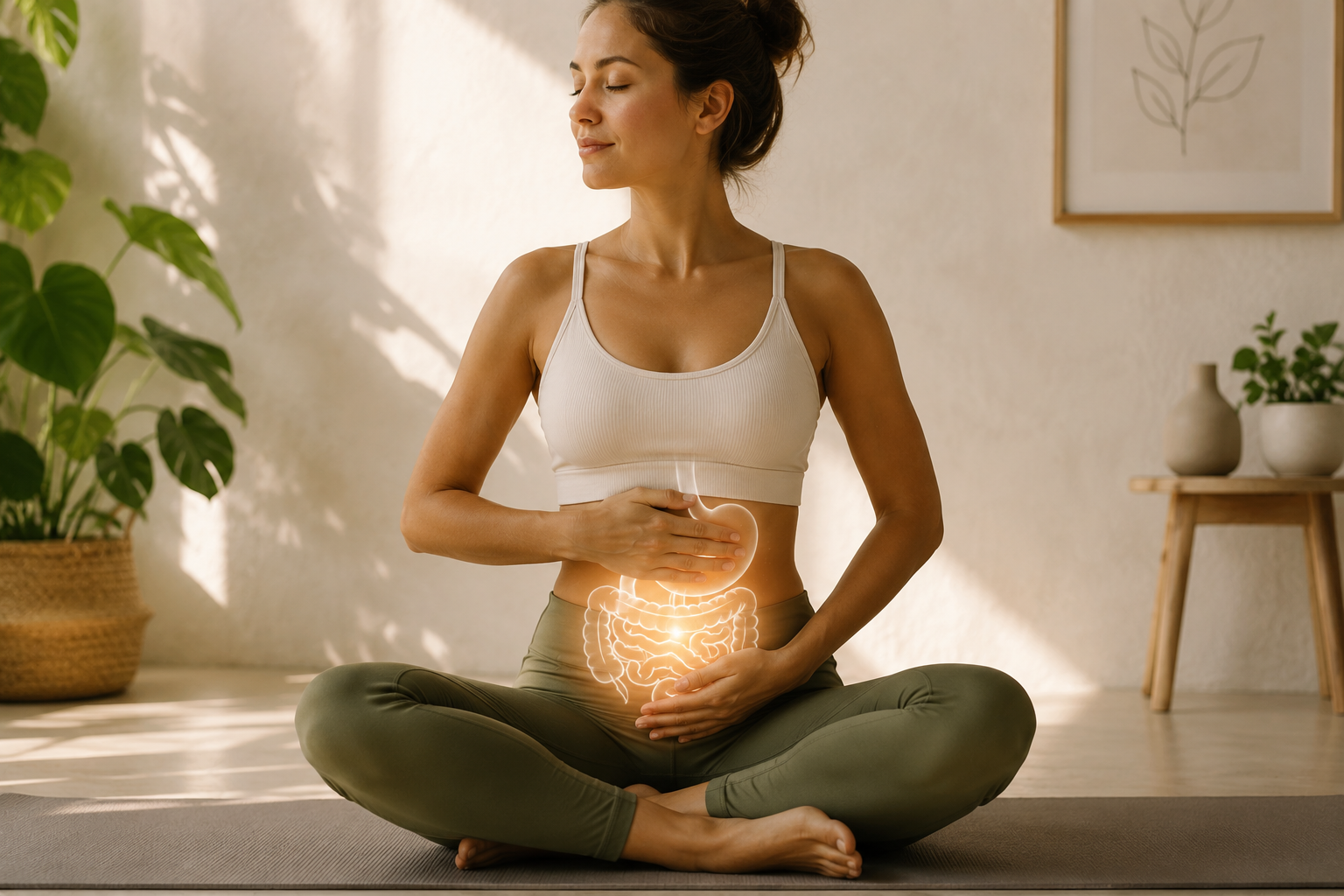
Gut Health 101: What It Is, Why It Matters, and How to Heal Naturally
Gut health is the foundation of your entire well-being. Your digestive system — home to roughly 100 trillion microorganisms — influences everything from your energy levels and immune function to your mood and hormone balance. Yet for most of us, gut health stays off the radar until something goes wrong: the bloating that won’t quit, the energy crash after lunch, or the skin that flares up for no obvious reason.
If you’ve landed here, you’re probably wondering: What is gut health, really? How do I know if mine needs help? And what can I actually do about it?
As a certified holistic nutritionist in Toronto who has helped hundreds of women heal their digestion, I’ll walk you through the basics — no jargon, no fad diets, just the science-backed fundamentals that actually move the needle.
What Is Gut Health? (The 60-Second Definition)
Gut health refers to the balance and function of the microorganisms living in your digestive tract, collectively called the gut microbiome. A healthy gut has a diverse community of bacteria, fungi, and other microbes that work together to digest food, produce essential nutrients (like B vitamins and short-chain fatty acids), regulate your immune system, and communicate with your brain through the gut-brain axis. When this ecosystem is in balance, you feel energized, digest food comfortably, and stay resilient against illness. When it’s disrupted — a state called gut dysbiosis — symptoms like bloating, fatigue, brain fog, and food sensitivities often follow.
Research published in Nature Reviews Gastroenterology & Hepatology estimates that the human gut contains over 1,000 bacterial species, and the composition of your microbiome is as unique as your fingerprint. What’s more, studies show that the diversity of your gut bacteria is directly linked to overall health outcomes — lower diversity correlates with conditions ranging from inflammatory bowel disease to depression. (Source: Valdes et al., 2018, BMJ)
Why Gut Health Matters More Than You Think
If you think your gut’s only job is digesting lunch, it’s time to rethink that. Your digestive system is connected to nearly every other system in your body.
1. Your Gut Is Your Second Brain
The gut produces roughly 90-95% of your body’s serotonin — the neurotransmitter that regulates mood, sleep, and appetite. This is why the gut is often called the “second brain.” The gut-brain axis is a two-way communication highway connecting your digestive tract to your central nervous system. When your gut is inflamed or imbalanced, signals travel up this pathway and can contribute to anxiety, brain fog, and low mood.
A 2020 meta-analysis in General Psychiatry found that people with depression had significantly lower levels of certain beneficial gut bacteria compared to healthy controls, reinforcing that the gut-mood connection is very real. (Source: Generoso et al., 2020)
2. About 70% of Your Immune System Lives in Your Gut
Gut-associated lymphoid tissue (GALT) is the largest immune organ in your body. The beneficial bacteria in your gut train your immune cells to distinguish between friend and foe. When your gut barrier is compromised — a condition often called leaky gut — undigested food particles, toxins, and pathogens can slip into your bloodstream, triggering systemic inflammation. This is why people with poor gut health often get sick more frequently and struggle with inflammatory conditions.
3. Your Gut Controls Your Metabolism
The bacteria in your gut influence how you extract energy from food, regulate blood sugar, and store fat. Gut health and metabolism are deeply connected — certain bacterial strains produce compounds that improve insulin sensitivity, while an imbalanced microbiome can promote weight gain and metabolic dysfunction. This is why two people can eat the same meal and have completely different blood sugar responses.
10 Signs Your Gut Health Needs Attention
Gut imbalances don’t always show up as digestive symptoms. Here are the 10 most common signs your gut is out of balance:
- Bloating after meals — especially if it happens regularly, not just after heavy meals
- Unexplained fatigue — your gut produces nutrients and cofactors your mitochondria need for energy
- Brain fog and poor concentration — inflammation in the gut can trigger neuroinflammation
- Food sensitivities that seem to come out of nowhere — often a sign of intestinal permeability
- Skin issues — eczema, acne, and rosacea are linked to gut dysbiosis
- Joint pain — inflammatory compounds from the gut can travel to joints
- Frequent colds or infections — your gut houses the majority of your immune cells
- Irregular bowel movements — constipation, diarrhea, or alternating between both
- Hormone imbalances — your gut microbiome plays a key role in estrogen metabolism
- Unexplained weight changes — gut bacteria influence calorie extraction and appetite hormones
If several of these sound familiar, your body is likely sending you a message. The good news? The gut is remarkably resilient, and with the right approach, healing is possible.
What Damages Gut Health? 5 Common Culprits
Before we get to healing, it helps to understand what might be working against you:
- Chronic stress: Cortisol directly alters gut motility, increases intestinal permeability, and shifts your microbiome toward a less diverse, more inflammatory profile. A 2021 study in Frontiers in Neuroscience found that even short-term psychological stress measurably changes the composition of gut bacteria within days.
- Ultra-processed foods: Emulsifiers, artificial sweeteners, and preservatives disrupt the mucus layer protecting your gut lining. Research published in Nature (Chassaing et al., 2015) showed that common food emulsifiers promoted gut inflammation and metabolic syndrome in animal models.
- Antibiotics and certain medications: While sometimes necessary, antibiotics wipe out beneficial bacteria alongside pathogens. A single course can reduce gut diversity for months — and repeated courses compound the damage. NSAIDs like ibuprofen can also erode the gut lining.
- Poor sleep: Your gut microbiome follows a circadian rhythm. Shift work, inconsistent bedtimes, and sleep deprivation disrupt this rhythm, reducing beneficial bacterial strains and increasing inflammation.
- Alcohol: Even moderate drinking can damage the gut lining, alter the microbiome, and increase intestinal permeability. A 2022 review in Alcohol Research confirmed that alcohol-induced gut dysbiosis is a key driver of liver inflammation.
How to Heal Your Gut Naturally: 5 Science-Backed Steps
Healing your gut isn’t about a 3-day juice cleanse or cutting out every food you enjoy. Sustainable gut healing follows a structured approach — what I call the 5 Foundations of Gut Health.
Step 1: Remove What’s Harming You (Temporarily)
This doesn’t mean a permanent elimination diet. It means identifying the foods, habits, or environmental factors that are contributing to your symptoms right now. Common culprits include inflammatory foods, alcohol, chronic NSAID use, and unmanaged stress. Gluten and dairy are two of the most common triggers I see in my practice — but not everyone needs to avoid them permanently.
Start here: Pick one potential trigger (e.g., processed foods, alcohol, late-night eating) and remove it for 21 days. Track how you feel. You don’t need to overhaul everything at once.
Step 2: Replace With Gut-Nourishing Foods
As you remove irritants, you need to add in the foods that actively heal and nourish your gut lining. The research consistently points to a few power players:
- Polyphenol-rich foods: Colorful vegetables, berries, green tea, and olive oil feed beneficial bacteria. A 2023 study in Nutrients found that a polyphenol-rich diet increased beneficial Bifidobacterium and Lactobacillus strains within 4 weeks.
- Fermented foods: Yogurt, kefir, sauerkraut, and kimchi introduce live beneficial bacteria. A landmark Stanford study (Wastyk et al., 2021, Cell) found that eating fermented foods daily for 10 weeks increased gut microbiome diversity and reduced inflammatory markers — more effectively than fiber supplements alone.
- Bone broth and collagen: Rich in glycine, proline, and glutamine — amino acids that help repair the gut lining. Bone broth has been used for centuries as a gut-healing food, and modern research supports its role in supporting the intestinal barrier.
- Prebiotic fiber: Garlic, onions, asparagus, green bananas, and Jerusalem artichokes feed your existing beneficial bacteria. Aim for 25-30g of fiber daily from a variety of sources.
Step 3: Repair the Gut Lining
If your gut lining is compromised (leaky gut), targeted nutrients can help restore integrity:
- L-Glutamine: The primary fuel source for enterocytes (the cells lining your small intestine). Multiple clinical trials show that glutamine supplementation reduces intestinal permeability.
- Zinc carnosine: A specific form of zinc that stabilizes the gut lining and supports mucosal repair. A 2007 study in Gut found it significantly improved gut barrier function.
- Omega-3 fatty acids: Found in fatty fish, walnuts, and flax seeds. Omega-3s reduce gut inflammation and support the integrity of tight junction proteins.
Important: Supplements should be targeted to your specific needs. A functional stool test like the GI-MAP can show you exactly what’s happening in your gut before you start supplementing blindly.
Step 4: Reinoculate With Beneficial Bacteria
Once you’ve removed triggers and started repairing, it’s time to rebuild a healthy microbial community. This comes from two sources:
- Probiotic foods and supplements: Live bacteria that colonize your gut. Strain selection matters — Lactobacillus rhamnosus GG and Saccharomyces boulardii are among the most researched for gut health.
- Prebiotics: The fiber that feeds your good bacteria. Without prebiotics, probiotics have a harder time establishing themselves.
One of the best foods for gut health combine both probiotics and prebiotics naturally — think yogurt with berries, or kefir with a banana.
Step 5: Rebalance Your Lifestyle
Your gut doesn’t heal in isolation. Stress management, sleep quality, and movement all directly impact your microbiome:
- Stress: Even 10 minutes of deep breathing or a short walk can lower cortisol and shift your body from “fight or flight” to “rest and digest.” This is the mode where healing happens.
- Sleep: Aim for 7-9 hours. Your gut bacteria follow a daily rhythm, and disrupted sleep leads to disrupted microbes. One study found that just two nights of poor sleep reduced beneficial bacteria by up to 50%.
- Movement: Moderate exercise increases gut microbial diversity. A 2018 study in Medicine & Science in Sports & Exercise found that just 6 weeks of moderate exercise increased short-chain fatty acid-producing bacteria, independent of diet changes.
When to Get Professional Help
While the 5 Foundations work well as a starting point, some gut issues run deeper. If you’ve tried diet changes and lifestyle shifts without lasting relief, consider working with a practitioner who can run the right tests.
Signs your body may benefit from holistic nutrition support include chronic bloating that hasn’t responded to diet changes, unexplained fatigue that bloodwork can’t explain, or digestive symptoms that have been dismissed by your doctor as “just IBS.”
In my Toronto practice, I use functional lab testing (GI-MAP, comprehensive bloodwork, and food sensitivity panels) to get a clear picture of what’s actually happening in your gut — no guessing. From there, we build a personalized plan that fits your life, not the other way around.
Frequently Asked Questions
How long does it take to heal your gut?
It depends on the severity of the imbalance and your consistency with the protocol. Some people notice improvements in energy and digestion within 2-3 weeks. Deeper healing — rebuilding the gut lining and restoring microbial diversity — typically takes 3-6 months. This is why my Bloat Fix Method runs for 4 months — sustainable healing needs time.
Do I need a stool test to improve my gut health?
Not necessarily. Many people improve significantly with diet and lifestyle changes alone. However, if you’ve been struggling for months or years without answers, a functional stool test can reveal hidden infections, enzyme deficiencies, and bacterial imbalances that won’t show up on standard tests.
Can stress alone cause gut problems?
Yes. The brain-gut connection is bidirectional — psychological stress directly affects gut motility, permeability, and microbiome composition. This is why so many people experience digestive symptoms during periods of high stress, even when their diet hasn’t changed.
What’s the difference between a food allergy and a food sensitivity?
Food allergies involve the immune system (IgE antibodies) and can cause immediate, potentially life-threatening reactions. Food sensitivities involve a different immune pathway (IgG) and produce delayed symptoms — bloating, fatigue, brain fog, joint pain — that can appear 24-72 hours after eating the trigger food. Sensitivities are more common and often related to gut health. When the gut lining heals, many food sensitivities resolve.
The Bottom Line
Your gut is not a mysterious black box. It’s a dynamic, responsive ecosystem that wants to heal — you just need to give it the right conditions. Start with one foundation this week: add a fermented food to your daily routine, go for a 15-minute walk after dinner, or swap one processed snack for a handful of berries. Small, consistent changes compound into real, lasting results.
If you’re tired of guessing and ready for a clear, personalized plan, I’d love to help.
Book a Free Strategy Session CallLast updated: July 2026 | Written by Rachel Einbinder, Certified Holistic Nutritionist
—